
Dale Hutchins, Editor
I write and edit everything on this site, from the reviews to the rankings. Most of my week goes into reading: product pages from Bachmann, Kato, Walthers, Athearn, Atlas, Lionel, NCE and Digitrax, their manuals, their track diagrams and the fine print about power packs and age ratings.
Train sets are where people get burned the most, so they get the most attention. Two boxes that look the same can hide a steel rail against nickel silver, a DC pack against a DCC controller, or an oval that needs 59 inches when you planned for 47. I put those numbers side by side so you know what fits your table before you order.
DCC is my other big subject. Amps, how many engines can run at once, how many functions a decoder can call, whether the system can grow later: makers describe all of it differently, and I turn it into a table you can sort.
Prices move fast in this hobby, especially around the holidays. Each price on the site carries the day it was checked, on Amazon or on the seller's own page, and I update the pages when a set sells out or a new run comes in.
What I cover
- HO and N scale starter sets
- DC and DCC control, decoders and sound
- Sectional track: E-Z Track, Unitrack, FasTrack, Power-Loc
- Layout size and first track plans
- Dated prices and starter budgets
How I work
- I start from the maker's own product page and manual, never from a store's product title.
- Every oval size, curve radius and amp figure comes from an official source, quoted with its unit.
- Every price carries the date it was checked and the seller it was read from.
- When a maker does not publish a figure, the page says so instead of guessing.
Dale's guides
Written
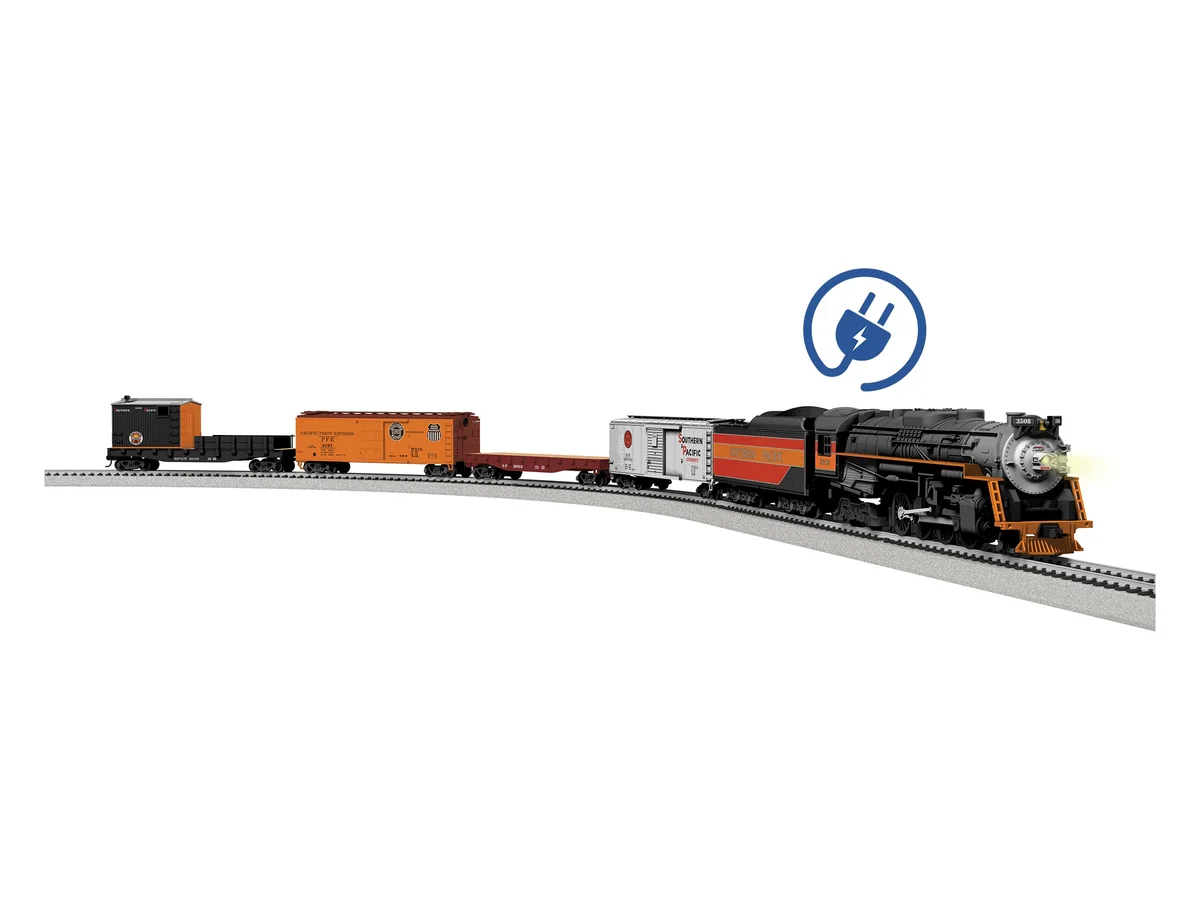
How to choose a model train starter set (without buying twice)
Scale, track, DC or DCC, oval size and what really comes in the box: a plain checklist to pick a first HO or N scale train set you will not outgrow.
Read the guide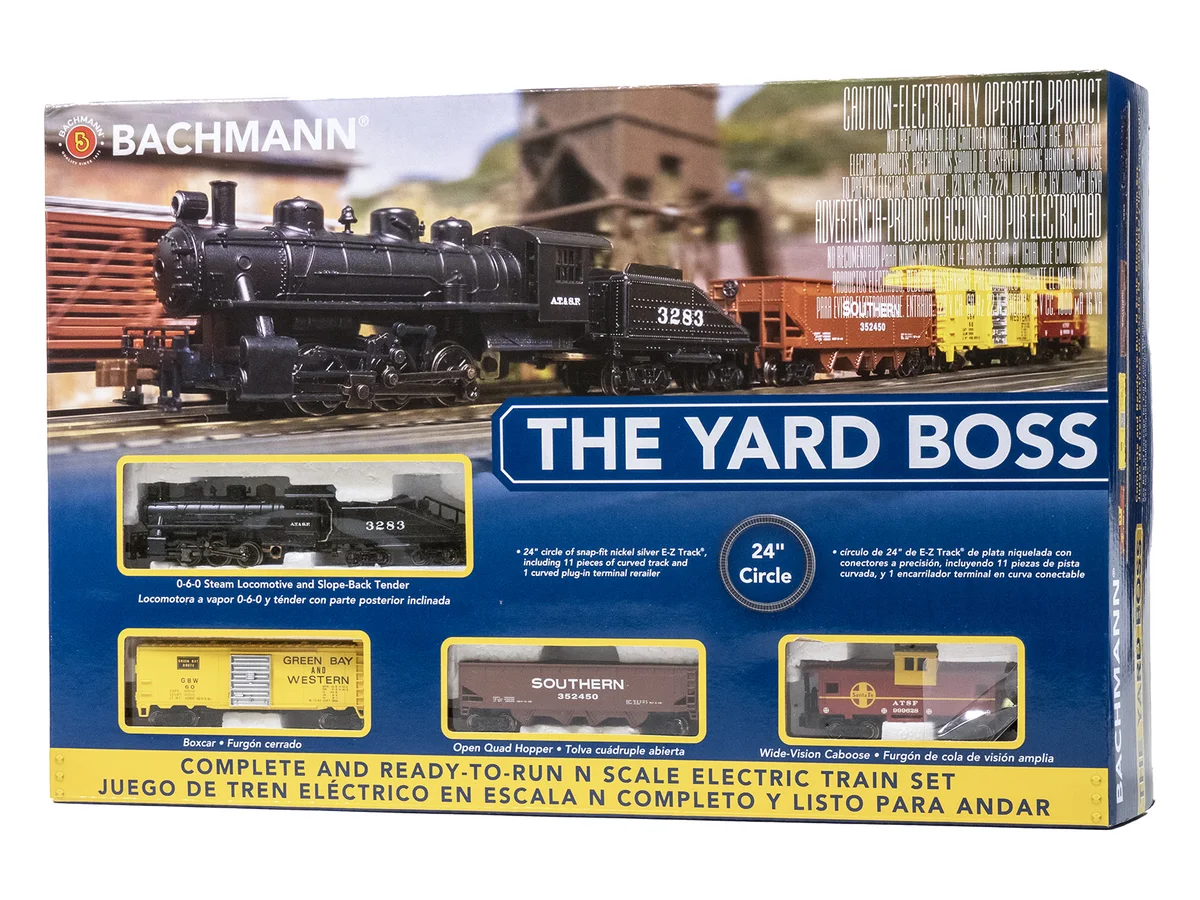
HO vs N scale: which one fits your space and your hands?
HO (1:87) or N (1:160)? Footprints of real starter sets, how much room a layout takes, what each scale costs and which one suits a first train set.
Read the guide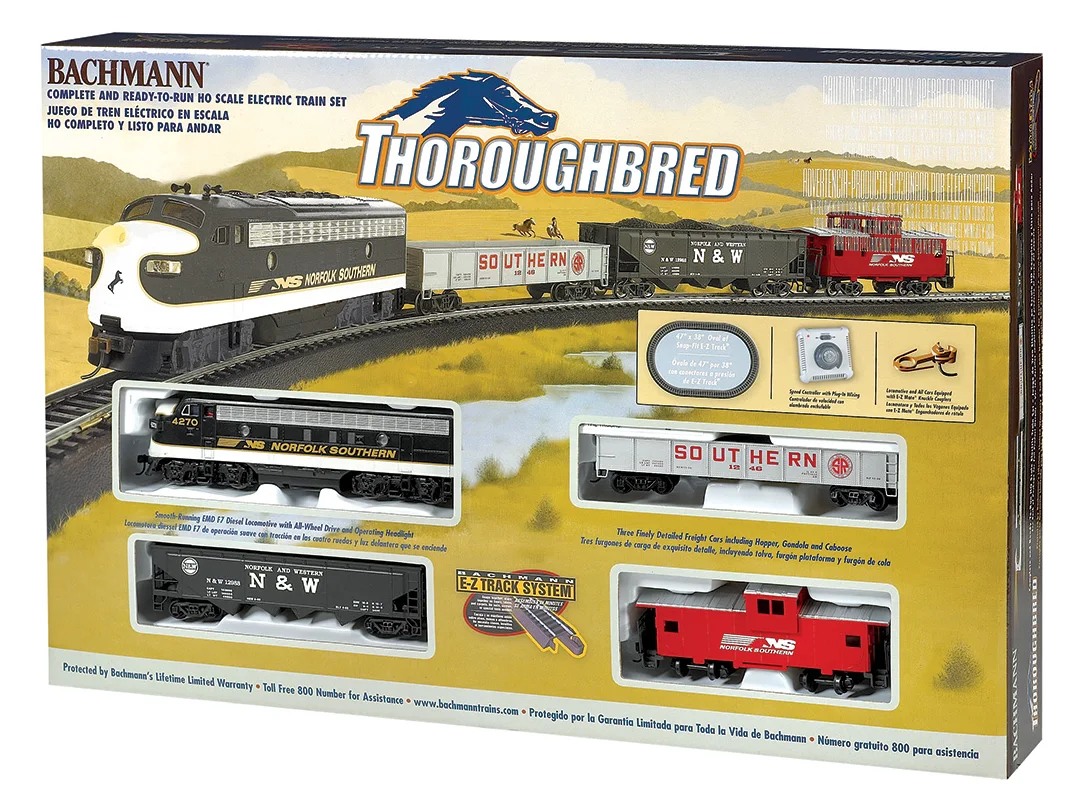
DC vs DCC: do you really need digital control?
DC or DCC for your model trains? How each works, how many engines you can run, what a DCC starter system costs and when the switch is worth it.
Read the guide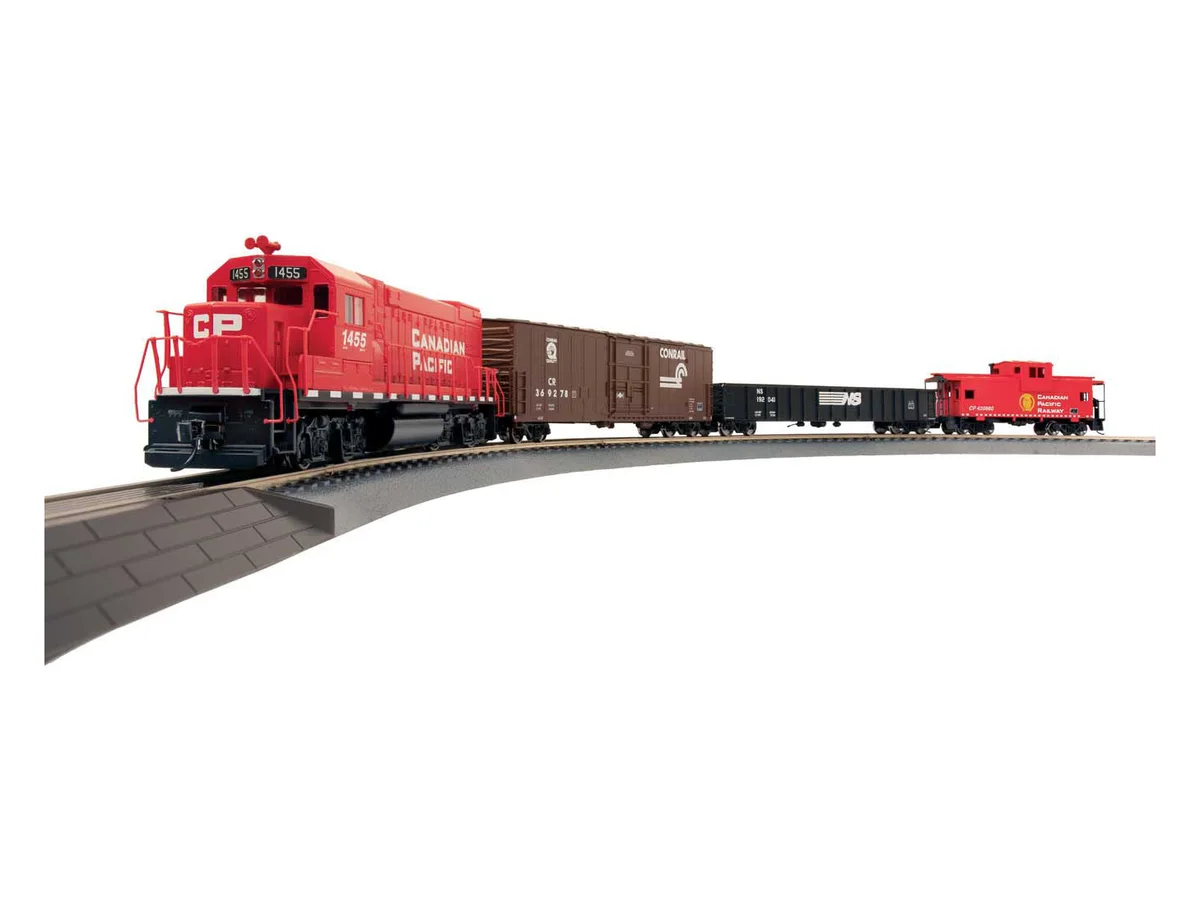
How much space does an HO layout need? Plan your first one
From a starter oval to a 4 x 8 ft table: real HO and N footprints, curve radius, reach and aisles, and the expander sets that add sidings to a first loop.
Read the guide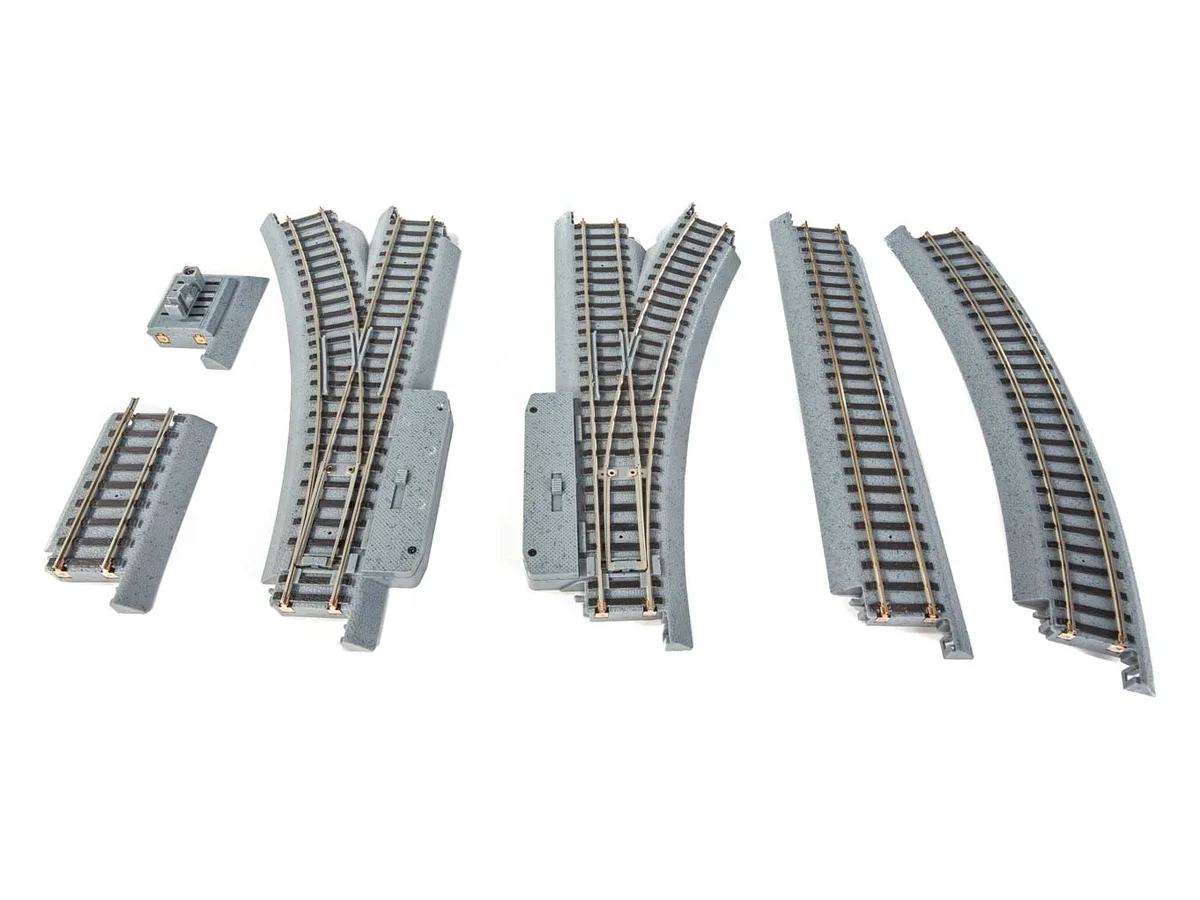
How to clean model train track so the train stops stalling
Stuttering train? How to clean HO and N track and wheels step by step, what to use and what to avoid, and why nickel silver rail needs less cleaning.
Read the guideEdited
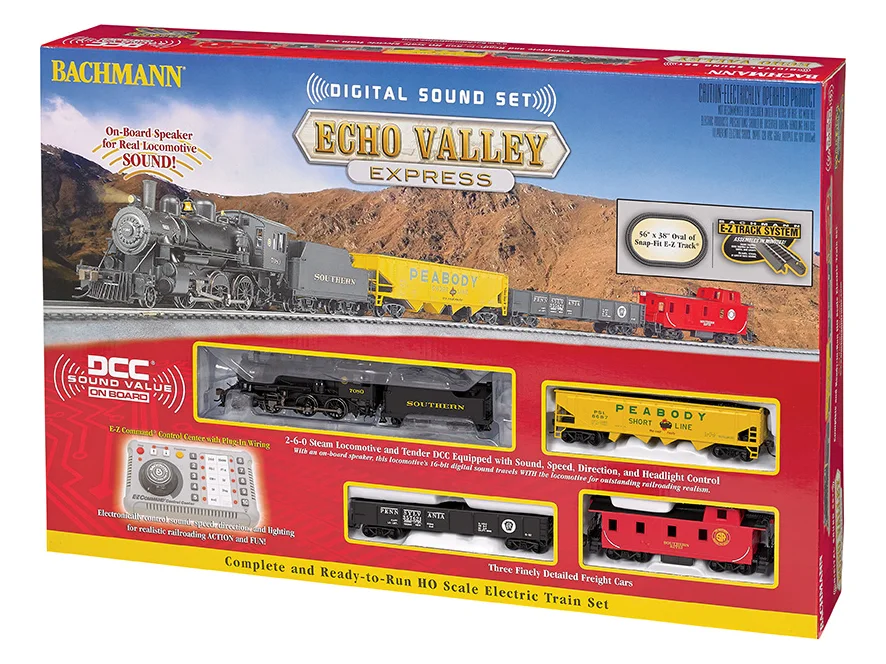
How to choose a model train starter set (without buying twice)
Scale, track, DC or DCC, oval size and what really comes in the box: a plain checklist to pick a first HO or N scale train set you will not outgrow.
Read the guide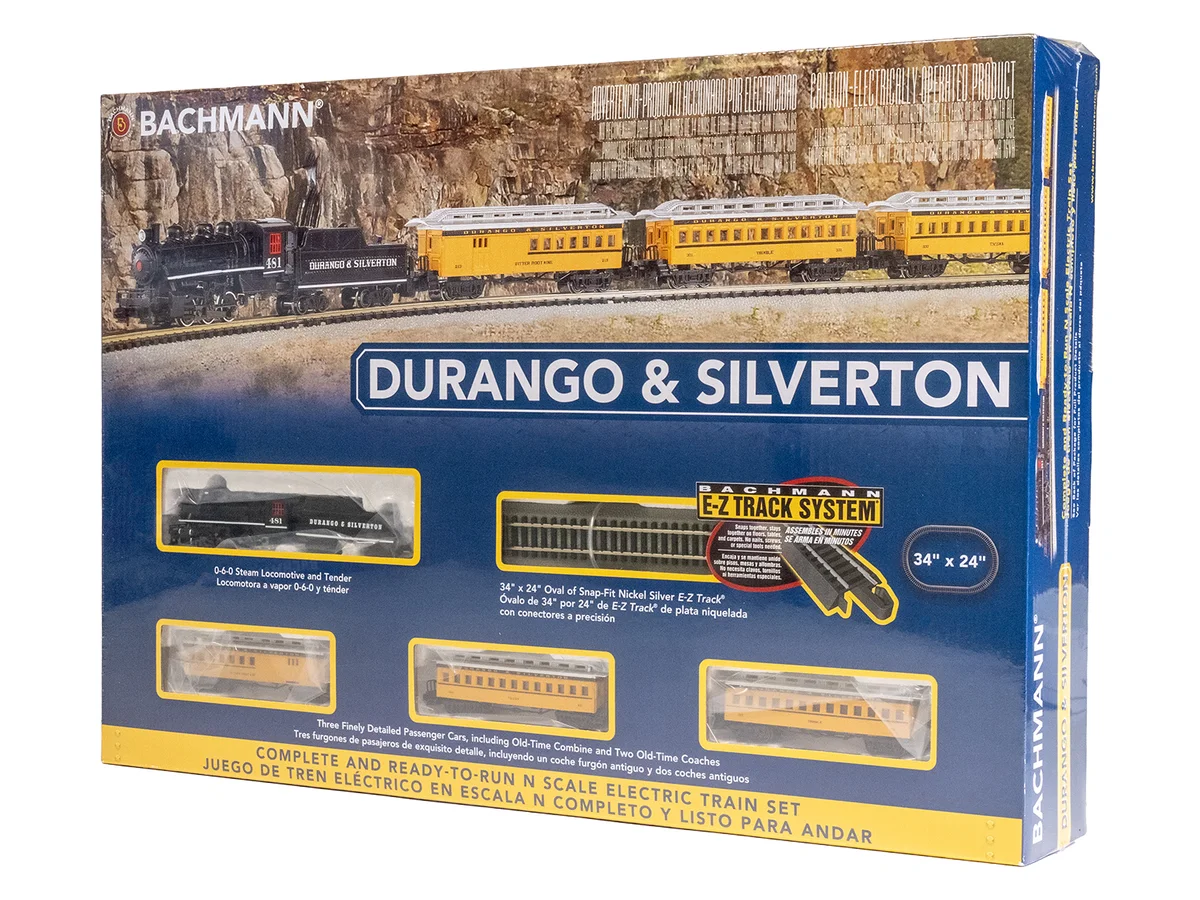
HO vs N scale: which one fits your space and your hands?
HO (1:87) or N (1:160)? Footprints of real starter sets, how much room a layout takes, what each scale costs and which one suits a first train set.
Read the guide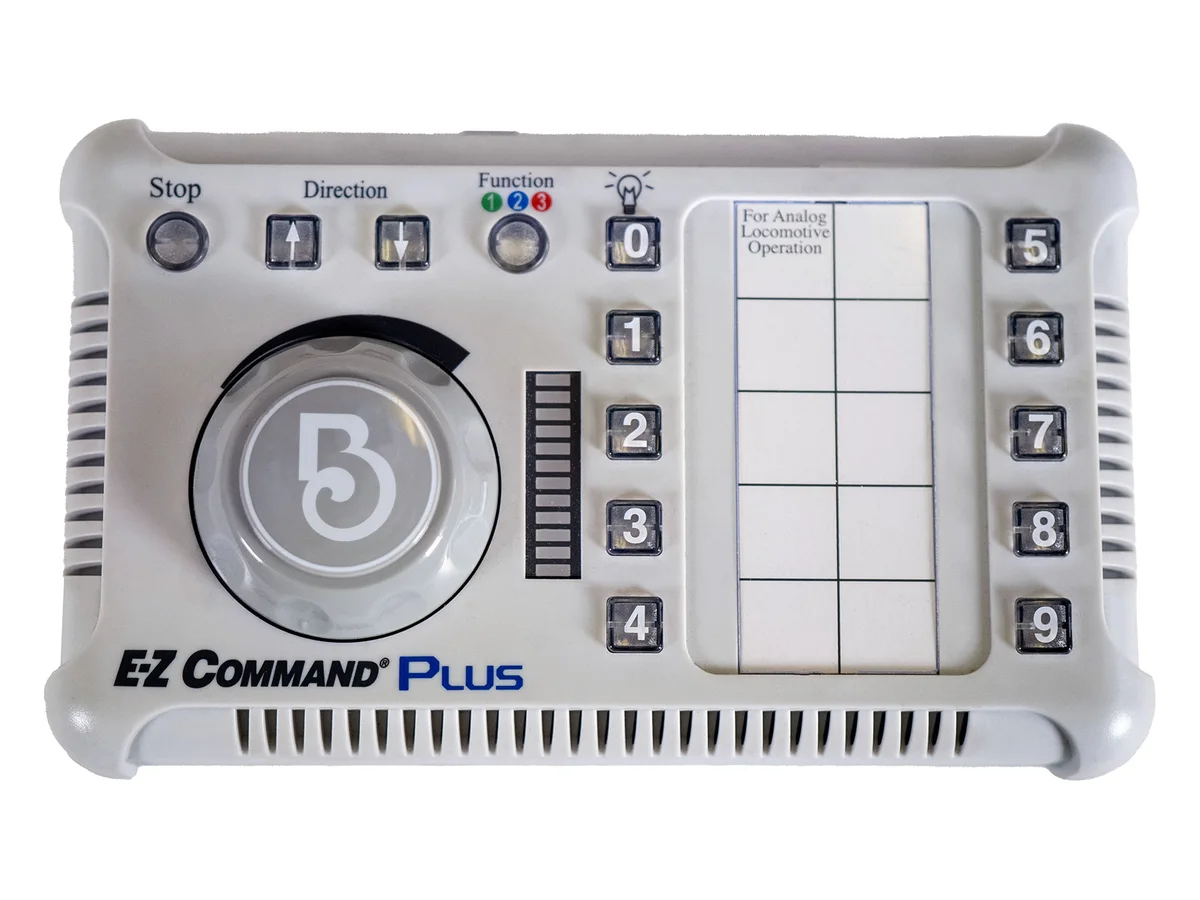
DC vs DCC: do you really need digital control?
DC or DCC for your model trains? How each works, how many engines you can run, what a DCC starter system costs and when the switch is worth it.
Read the guide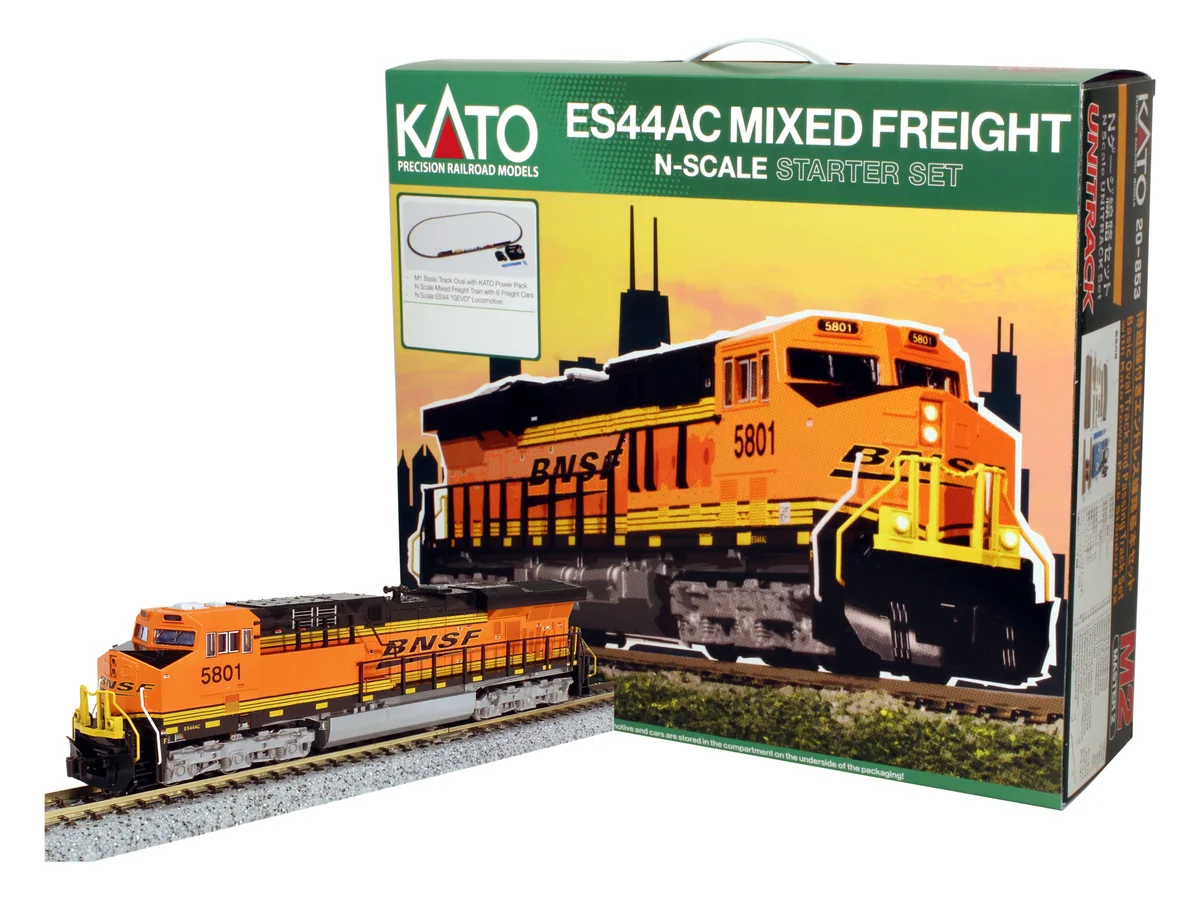
How much space does an HO layout need? Plan your first one
From a starter oval to a 4 x 8 ft table: real HO and N footprints, curve radius, reach and aisles, and the expander sets that add sidings to a first loop.
Read the guide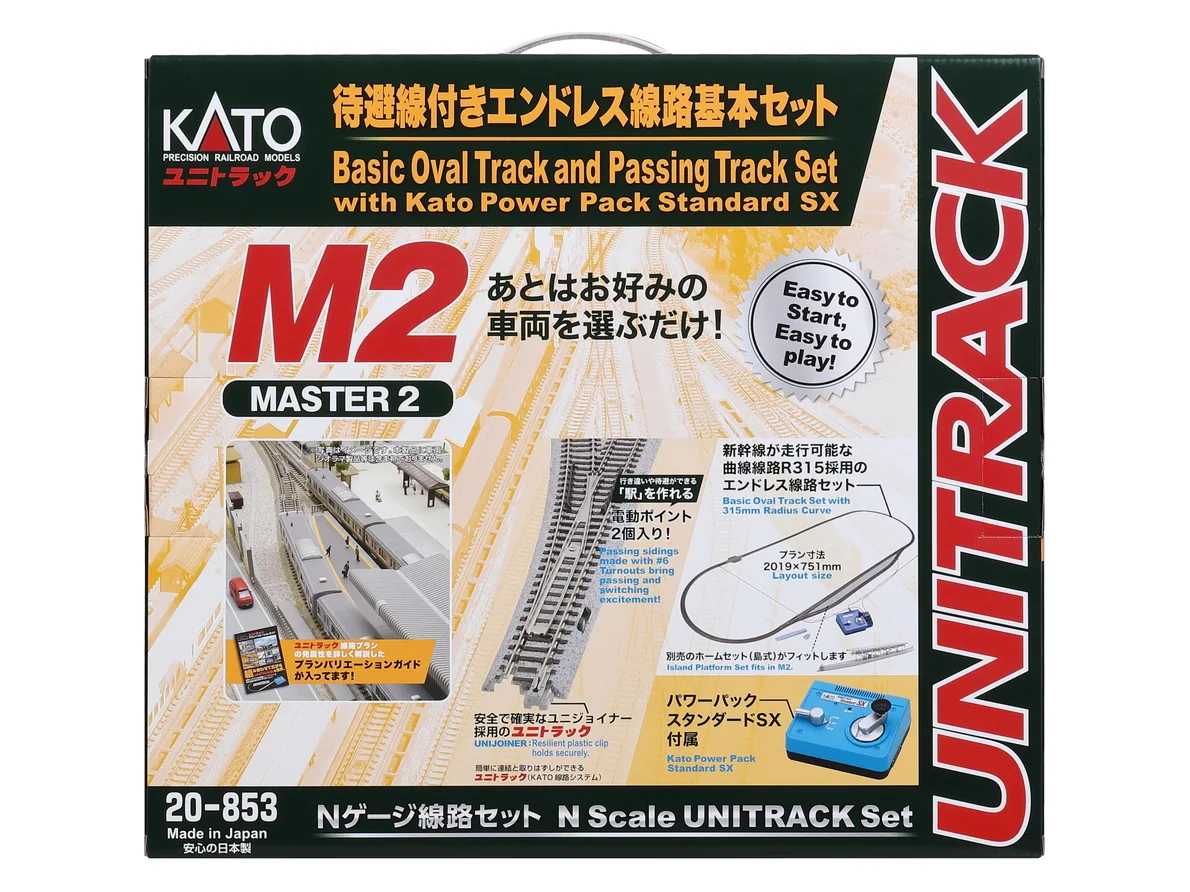
How to clean model train track so the train stops stalling
Stuttering train? How to clean HO and N track and wheels step by step, what to use and what to avoid, and why nickel silver rail needs less cleaning.
Read the guideScores and rankings follow public formulas, explained in our methodology. The rest of the team: our editor. Spotted a mistake? Use the contact page.